

Restore Georgia Quarterly Review: SB 468 Stalls, But Registry Expansion Efforts Continue
Georgia’s 2025–2026 legislative session saw one of the most significant proposed expansions of the state’s registry system in recent years through Senate Bill 468. While the bill ultimately failed to reach the House floor before adjournment, its rapid advancement through both Senate and House committees demonstrates that broader registry expansion efforts remain active and politically viable in Georgia.
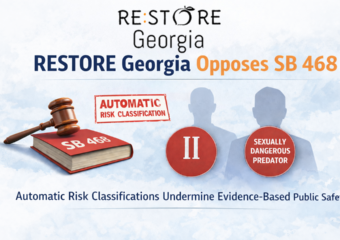
SB 468 proposed several substantial changes to Georgia’s registry framework, including increased reporting requirements for unhoused registrants, mandatory international travel reporting, expanded reporting obligations tied to transitional housing programs, and—most significantly—automatic risk classifications based solely on certain offenses.
The automatic classification provisions became a central point of concern because Georgia currently operates under a risk-based classification system administered by the Georgia Sexual Offender Risk Review Board (SORRB). The board was specifically created to conduct individualized assessments using validated risk evaluation tools and professional review rather than relying solely on offense category.
Under current Georgia law, SORRB evaluates multiple factors to determine a person’s likelihood of committing another dangerous sexual offense. SB 468 would have partially replaced that individualized process by requiring mandatory classifications for certain convictions, including automatic Level II and “Sexually Dangerous Predator” designations.
Advocates and policy observers raised concerns that the bill would weaken Georgia’s existing risk-based framework by shifting portions of the system toward automatic statutory designation rather than individualized evaluation. Operational concerns were also raised regarding expanded reporting obligations imposed on county sheriffs’ offices, which already administer extensive registry compliance requirements throughout the state.
The Senate substitute version softened several provisions after committee debate. The reporting window for homeless registrants changing sleeping locations was expanded from the originally proposed 12 hours to 36 hours, and certain sheriff monitoring authority language was removed. However, the automatic classification provisions remained intact.
Despite broad Senate support, SB 468 ultimately stalled in the House Rules Committee and never received a full House vote before the legislative session expired.
The broader legislative trend in Georgia this session extended beyond SB 468 alone.
House Bill 1142 proposed the creation of a public domestic violence offender registry in Georgia for certain repeat domestic violence offenses. Like SB 468, the bill reflected a broader shift toward offense-based statutory consequences and public registration systems. HB 1142 ultimately stalled in the Senate and was tabled on April 2, 2026.
House Bill 1207 similarly proposed the creation of a domestic violence offender registry but expanded the scope further by including certain felony domestic violence convictions. While HB 1207 did not advance as far as SB 468, both bills reflected a continuing legislative appetite for expanding public registry systems into additional offense categories.
Throughout the session, advocacy organizations, impacted individuals, and policy groups increasingly engaged lawmakers on questions involving:
- evidence-based risk assessment,
- constitutional and operational concerns,
- law enforcement resource allocation,
- housing stability,
- and the effectiveness of offense-based classification systems.
The debate around SB 468 reflects a larger national policy question that continues emerging across the country: whether registry systems should continue expanding through automatic statutory restrictions or maintain individualized risk-based approaches focused on identifying actual risk.
For now, Georgia’s current risk-based structure remains intact.
But this session demonstrated clearly that future expansion efforts are likely to return.
For grassroots organizations working in this space, the session also highlighted another reality: advocacy infrastructure remains extremely limited. Much of the testimony, legislative tracking, educational outreach, and policy analysis opposing these measures came from a very small number of volunteers and impacted advocates working with minimal resources.
Restore Georgia, a grassroots advocacy organization focused on registry reform and support for impacted individuals and families, continues seeking:
- volunteers,
- board members,
- Fearless meeting facilitators,
- communications support,
- and financial assistance
to sustain advocacy and support efforts throughout the state.
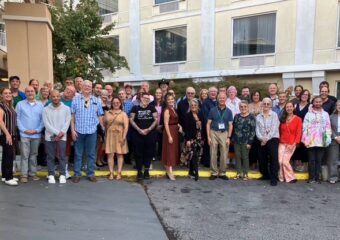
Restore Georgia’s Fearless meetings provide support, education, and community connection for impacted individuals and families throughout Georgia. The organization reports growing demand for support services while operating with limited organizational capacity and volunteer infrastructure.
As registry-related legislation continues evolving in Georgia, advocates expect next session’s debates to return quickly—and potentially move faster than they did this year.